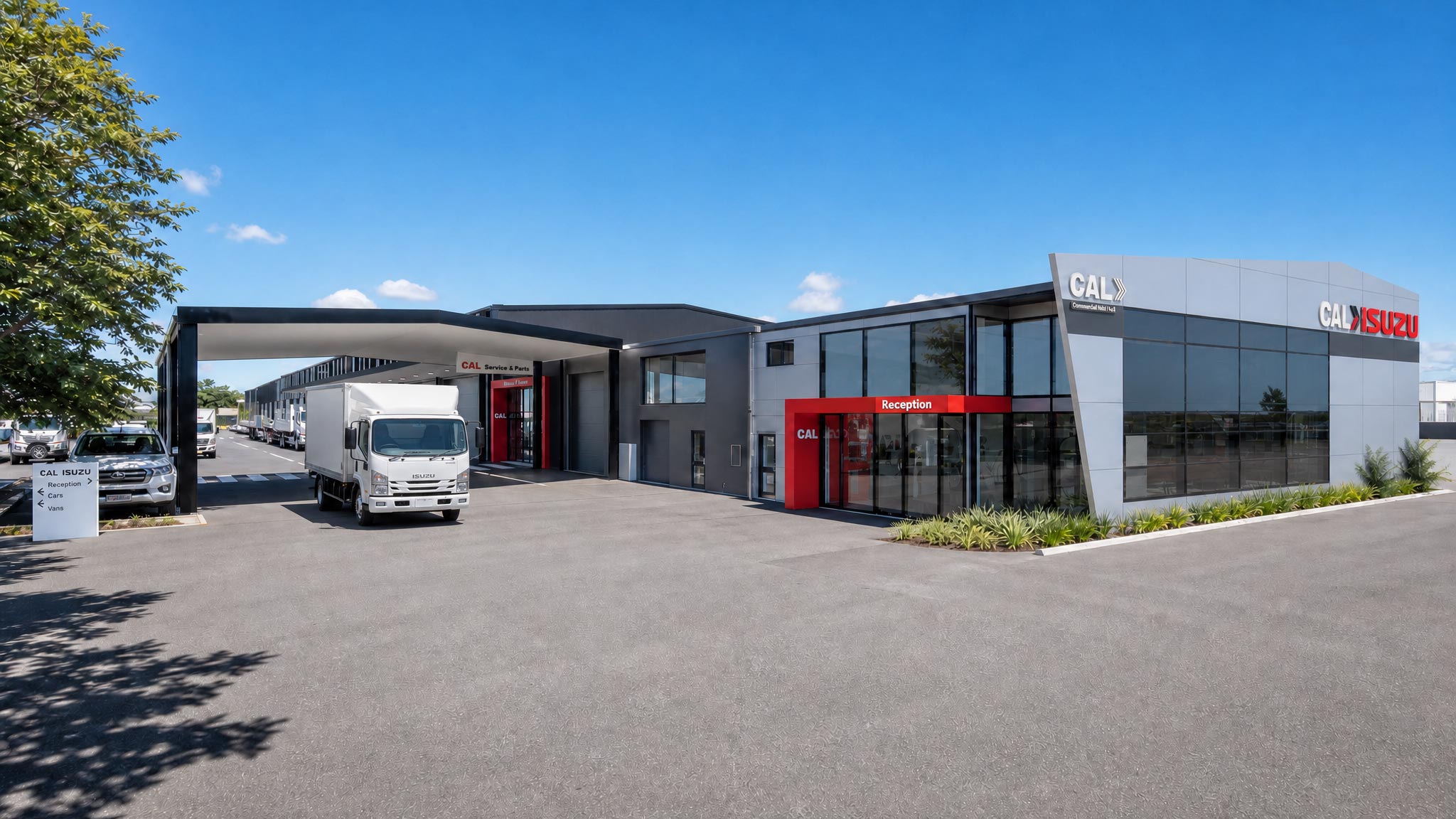
For most industrial businesses, stopping operations is not an option. The most successful projects keep the business moving while delivering the facilities needed to improve performance, efficiency, and long-term growth.
For many industrial businesses, shutting down operations during construction simply isn't an option. Trucks still need servicing. Parts still need to be delivered. Staff still need safe and functional workplaces. Customers still expect business as usual. Yet many industrial upgrades require significant redevelopment of the very facilities that keep those operations running. This is where industrial projects become about much more than buildings. They become exercises in operational planning, stakeholder management and business continuity.
Insights by Brian Rastrick
Reading time 3 min
Key Take Aways for Busy Leaders:
- The most successful industrial projects are shaped by understanding how the business operates rather than building design, ensuring facilities improve efficiency, support day-to-day workflows, and enable future business growth.
- Careful planning and staged delivery are critical when construction takes place in an active environment, helping businesses minimise disruption, maintain productivity, and continue serving customers throughout the project.
- Consolidating multiple sites into a purpose-built facility can unlock significant operational benefits by streamlining processes, reducing duplication, improving resource utilisation, and creating a stronger foundation for growth.
- Industrial facilities should be planned with flexibility in mind so they can adapt to future changes in technology, workforce requirements, and evolving business demands, maximising long-term value from the investment
Operations First, Buildings Second
One of the biggest misconceptions about industrial projects is that they start with the building. In reality, the most successful projects start with understanding the operation. How do vehicles move through the site? Where are the bottlenecks? How are parts stored and distributed? What does the customer journey look like? How will the business grow over the next decade? The answers to these questions often have a greater impact on project success than the building itself.
Industrial projects are operational projects first and construction projects second. When operational requirements drive decision-making from the outset, facilities are better equipped to support productivity, efficiency and future growth.
Staging for Success
Delivering projects within live industrial environments requires a different approach to traditional construction. Redeveloping workshops, service facilities or operational buildings often means construction is taking place alongside active businesses, staff and customers. That can require temporary facilities, staged construction programmes, relocated functions and carefully planned sequencing to ensure operations continue throughout the project.
The earlier these considerations are addressed, the greater the opportunity to reduce disruption and maintain productivity during construction. Successful staging isn't just about managing the build. It's about keeping the business moving.
Consolidation Creates Opportunity
Many industrial businesses are looking for ways to improve efficiency, reduce duplication and support future growth. One increasingly common approach is the consolidation of multiple sites into a single, purpose-designed facility. While consolidation can present challenges around stakeholder alignment and operational planning, it can also create significant long-term benefits through improved workflows, shared resources and more efficient use of space. When viewed strategically, these projects become an opportunity to rethink how a business operates, not simply where it operates.
Planning Beyond Today's Needs
Industrial facilities are long-term assets. Decisions made today can influence business performance for decades. That's why successful projects don't just solve immediate challenges. They consider future growth, changing technologies, workforce requirements and evolving operational needs. Facilities that are planned with flexibility in mind are better positioned to adapt as businesses grow and change.
More Than a Building
The best industrial projects are not defined by the buildings themselves. They're defined by how effectively they support the people, processes and operations that rely on them every day.
By understanding the operation first, carefully planning delivery and thinking beyond immediate needs, businesses can continue moving forward while creating facilities that support long-term success. After all, the goal isn't simply to deliver a building. It's to keep the wheels turning while doing it.
--
About Brian Rastrick
Senior Principal and Registered Architect Brian Rastrick is known for his innovative, considered approach to design. He delivers creative, functional, and environmentally sustainable solutions. Designing across a broad range of disciplines, from education to commercial to modern interior fit-outs of offices, Brian’s understanding of the use of space enables clients to achieve architecturally-influenced environments that reflect and meet their organisational and residential needs.
September 10, 2026

Brian Rastrick
September 10, 2026

