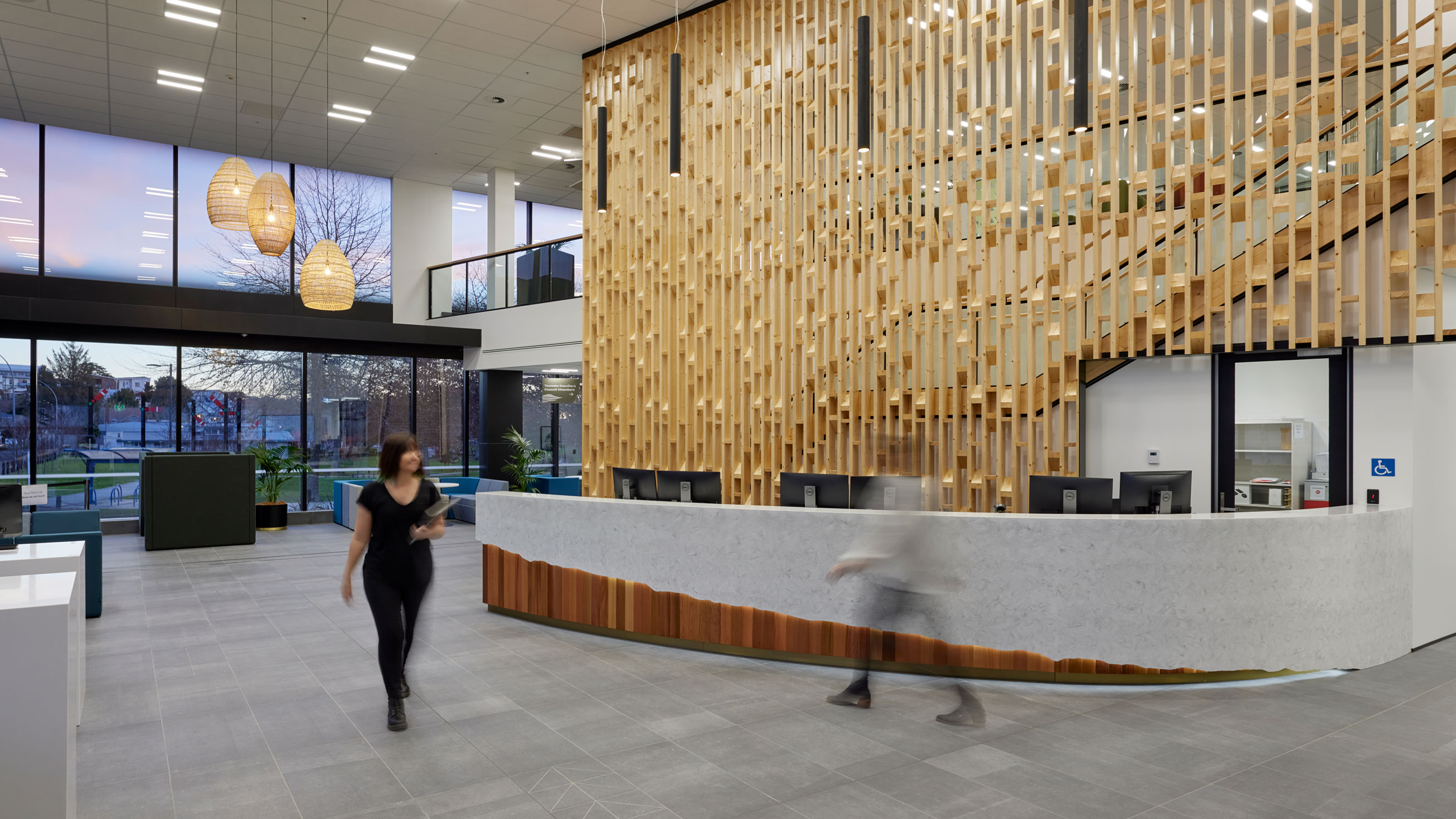
Before diving into design upgrades, new furniture, fresh layouts, take a moment to pause. The most successful transformations begin by asking one fundamental question.
The most successful transformations begin by asking why the space needs to change in the first place. Understanding this fundamental question will guide your organisation toward an effective workplace strategy and meaningful improvements for your team. Workplace Strategy may lead to physical workplace interior change, but not always. It can inform workplace policy and practice, can focus an organisation on what it may need to enhance company performance, increase brand awareness, lift market-share and retain talent.
Insights by Brian Squair
Reading time 4 minutes
Key takeaways for busy leaders:
• Workplace design matters, but there’s still a large disconnect between the value organisations place on good workplace design vs the reality of its implementation.
• If your organisation is going through change, feeling underperforming, or unsure why the space isn’t working, start with workplace strategy. If you already have a clear understanding of how your team operates, design may be the logical response, ideally supported by a light strategic check to confirm assumptions.
• The most effective projects understand both: Workplace Strategy underpins workplace transformation, is informed by context and is organisation-led, not design-driven. Great workplace design is the product of strategic research and analysis when applied to an organisation’s purpose.
Workplace Strategy vs Workplace Design
When an organisation feels its workplace isn’t supporting its people as it should, the natural instinct is to jump straight into design. New finishes, upgraded furniture, and refreshed layouts feel like quick wins. But the most successful projects don’t start with design, they start by asking a more fundamental question: why does the space need to change at all? That’s where workplace strategy comes into play.
Workplace strategy is the diagnostic phase. It focuses on how people truly work, not how we assume they work. Instead of beginning with desks, meeting rooms, or finishes, strategy examines work patterns, team interactions, technology use, space utilisation, and organisational culture. It uncovers what helps people perform and what hinders them. For property and project managers, this insight is critical, it provides clarity before capital is committed, aligns stakeholders early, and reduces the risk of expensive design changes later.
Workplace strategy starts with a thorough review of an organisation’s people, processes and physical environment within the context of current and future industry trends, business culture, vision and goals.
For example, you can choose paint colours and furniture on day one, but if you don’t first understand what isn’t working, you risk ending up with a beautiful space that doesn’t suit your needs. Strategy gives you that clarity, turning guesswork into evidence-based decisions.
The key to successful workplace design solutions is a robust, data-rich workplace strategy process. This then provides the basis for effective, customised, best-fit solutions for work environments. Strategic thinking must be applied and include such things as wellness, inclusion, change management, human-centric planning, task and role clarity, savvy technology, storage strategy, and requirements and preferences in work style.
Understanding employees’ interactions at work, what they value and how they work, is essential to creating workplaces that enable collaboration, engagement, connection and productivity. According to industry research by Envoy, a platform that measures onsite occupancy and resource utilisation, “91%of business leaders claim that workplace design delivers ROI, yet only 49% are measuring how their space is being used.” (1) In other words, nearly half of organisations are making critical workplace decisions without a clear picture of how their teams use their spaces.
When the strategy is clear, workplace design translates those insights into a physical environment. It’s the stage where brand identity meets functionality. Whether the priority is collaboration, focus, hybrid flexibility, wellbeing, or proximity, design converts strategic insights into layouts, furniture, acoustics, materials, lighting, and the overall look and feel of the workplace. Design is where the space comes to life, but without strategy, it risks being a beautiful solution that misses the mark.
The value of strategy becomes obvious in practice
One client, for example, was convinced they needed more meeting rooms. Surface-level observations suggested high utilisation, but a workplace strategy review revealed most ‘meetings’ were one-to-one video calls. The real requirement wasn’t boardrooms, but small private spaces for focused conversations. Design alone would never have uncovered that.
Workplace design matters, but there’s still a large disconnect between the value organisations report to place on good workplace design vs the reality of its implementation. “81% of organisations say that workplace design strongly influences productivity, and 76% report they believe it has a great impact on retaining employees. But only 32% feel that their current workspace truly aligns with their long-term business goals. (1)
So, what is the real need? If your organisation is going through change, feeling underperforming, or unsure why the space isn’t working, start with Workplace Strategy. If you already have a clear understanding of how your team operates, design may be the logical response, ideally supported by a light strategic check to confirm assumptions. The most effective projects understand both: Workplace Strategy underpins workplace transformation, is informed by context and is organisation-led, not design-driven. Great workplace design is the product of strategic research and analysis when applied to an organisation’s purpose.
References:
(1) The State of Work in 2025 Report: How AI, Gen Z, and workplace design are reshaping office norms. Envoy workplace and visitors solution platform in partnership with Hanover Research
March 25, 2026

Sam Thomas
March 25, 2026

