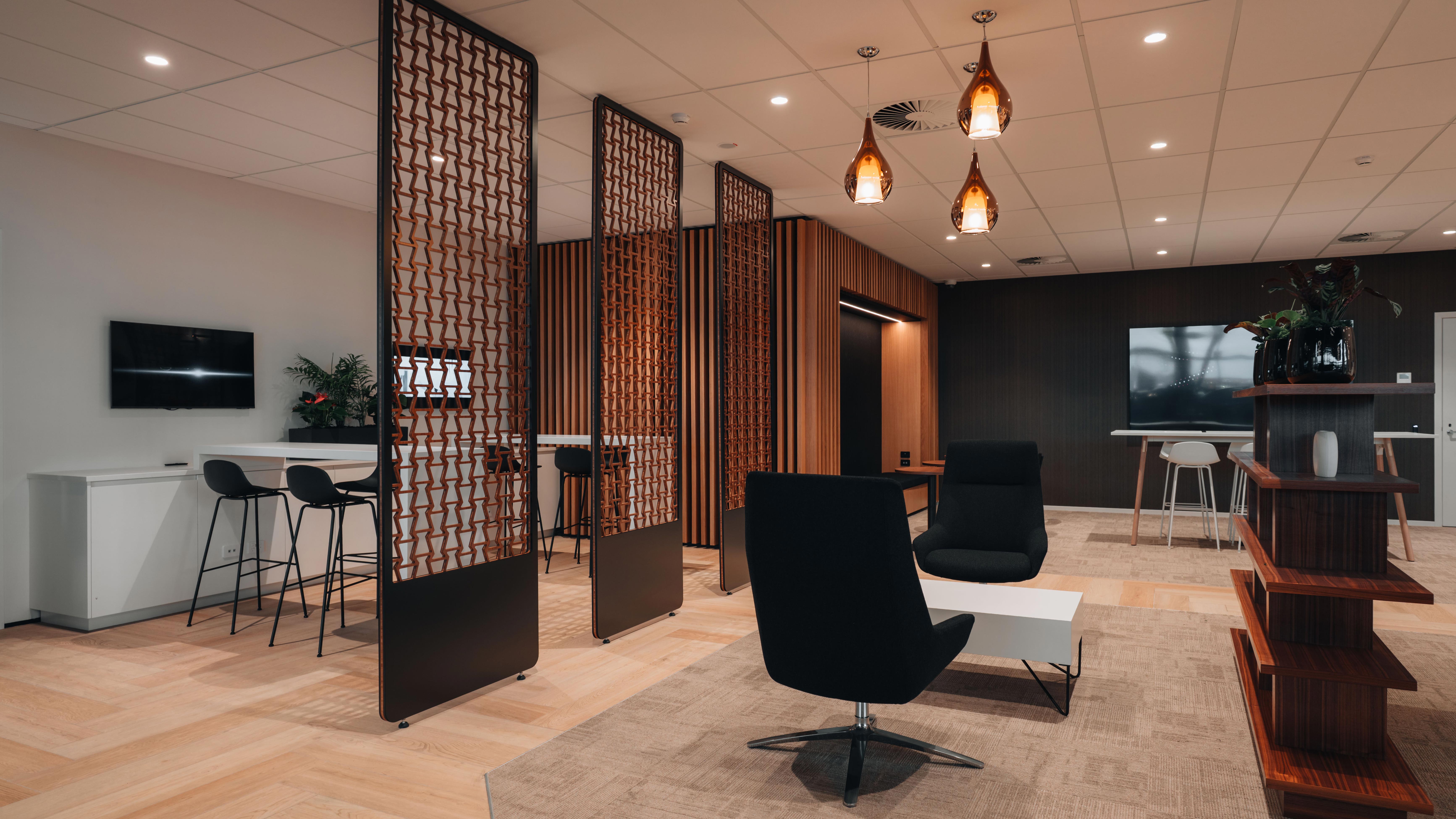
Your workplace is one of the strongest expressions of your brand. It influences how your team feels, how clients experience your organisation, and how work culture takes shape.
Many organisations treat brand as something meant for clients. Time and energy go into websites, pitch decks, and marketing campaigns, while the internal workplace remains neutral and functional. But your workplace is one of the strongest expressions of your brand. It influences how your team feels, how clients experience your organisation, and how work culture takes shape.
Insights by Amy Land & Sam Thomas
Reading time 4 minutes
Key takeaways for busy leaders:
- When brand and space align, organisational culture becomes easier to understand, reinforce, and live every day. Thoughtful design helps people feel what your organisation stands for, not just hear about it.
- Brand-aligned workplace design helps shift brand from an abstract concept into a practical design tool. When your organisation’s brand is clear, it provides direction for decision-making. The workplace becomes a daily reminder of shared values and a quiet guide for how people work together.
Brand isn’t just about colours, logos, or visual guidelines. It’s identity. It’s the values an organisation is willing to live out loud. It shows up in how decisions are made, how people are treated, and how work gets done. When workplace design reflects an organisation’s brand, it helps translate those values into something people can see, feel, and experience.
When we design brand-led workplaces, we start with questions rather than materials. What does this organisation stand for? How does it want people to feel when they walk through the door? Is the culture bold and expressive, or calm and considered? Is the organisation driven by creativity, trust, technical excellence, or community? These qualities should guide the tone of the space, not be layered on afterward.
You can see this play out in different ways. For example, a creative organisation might express its brand through flexible project zones, writable surfaces, and visible work-in-progress, reflecting openness and experimentation. A firm built on trust and clarity may favour simple layouts, natural materials, and calm lighting that create a sense of confidence and ease. A community-focused organisation might emphasise gathering spaces, inclusive design, and areas that encourage people to come together. In each case, the design doesn’t just look right, it feels aligned to its lived values.
A purpose-built workplace environment empowers an organisation in any industry to build a lived brand experience. A good example of creating lived human experiences in the workplace is organisations operating in the retail industry.
“Leading global companies are reimagining their headquarters as multi-layered affinity hubs that bring together offices, R&D labs, manufacturing facilities, sponsors, and public-facing amenities, like showrooms. By blending civic, cultural, advocacy, and brand aligned partners, these spaces transform into brand-powered cultural hubs, moving beyond workplaces into cultural destinations that amplify community connection.”(1)
When brand and culture reinforce each other, the impact is immediate. People understand expectations without needing long explanations. New staff settle in more quickly because the environment helps them ‘get it’. Clients pick up on who you are within minutes of arriving. The space tells a story before anyone says a word.
An example of this can be seen in our work with clients in the automotive industry. Each vehicle manufacturer has a ‘corporate brand identity document’, a guide that designers and consultants use to understand the principles and values behind the brand. We translate these principles into spatial experiences through the selection of materials and finishes, space planning, and joinery design. Graphic elements and lighting also play an important role, as together, all these elements deliver a universally recognised brand experience for both staff and customers. The greater the clarity of your brand, the more effectively it can be expressed within the built environment, delivering a strong and recognisable presence for people who work in or visit the space. For businesses with multiple premises, this approach to workplace design creates a cohesive and unified brand across different locations.
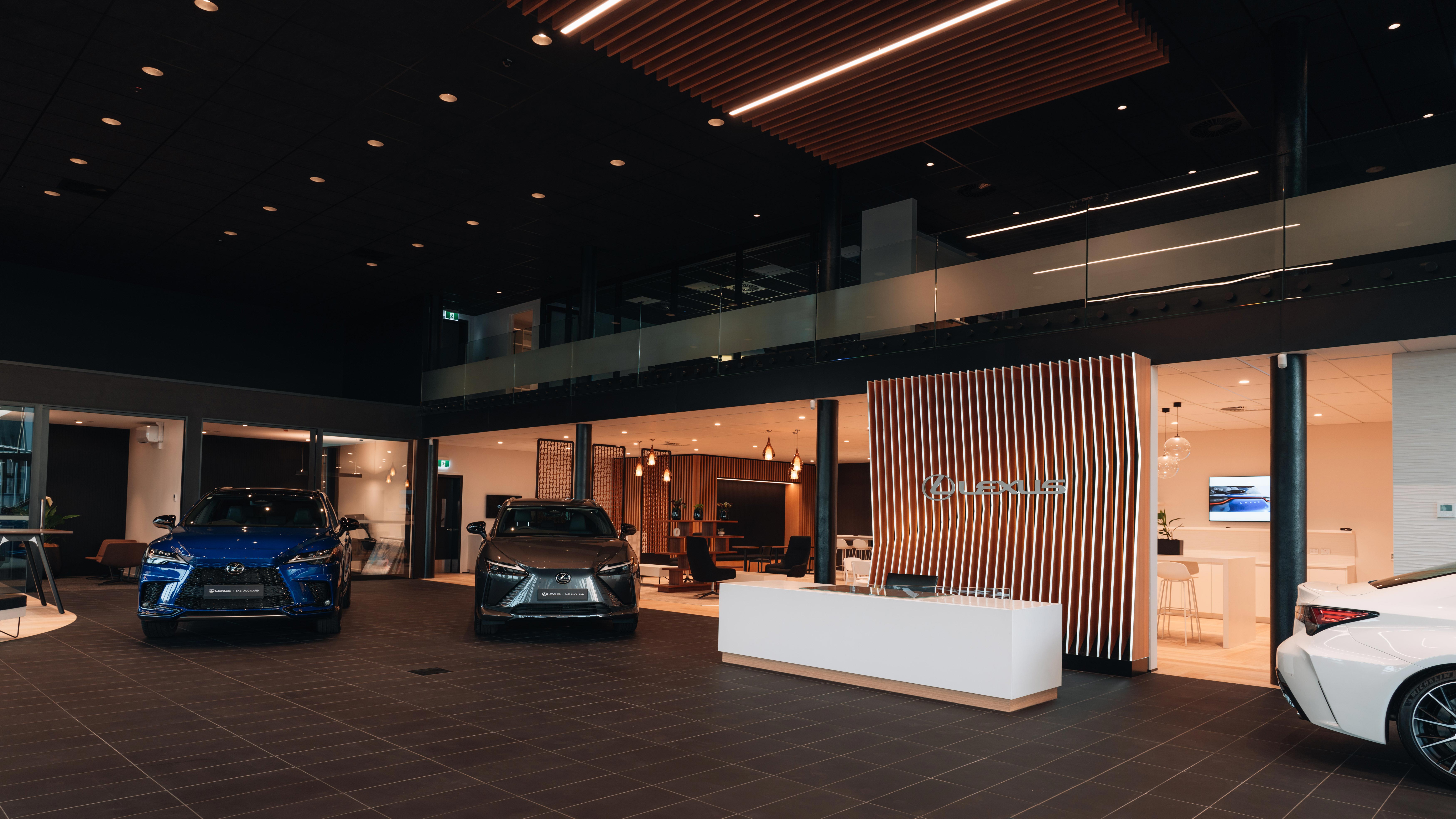
“Workplaces that put culture and values on display and bring people together for meaningful experiences attract and retain the best and brightest talent.(2)
For organisational leaders and property managers, this approach helps shift brand from an abstract concept into a practical design tool. When your organisation’s brand identity is clear, it provides direction for decision-making throughout the project, from layout and zoning through to finishes and furniture. It creates cohesion and reduces the risk of a space that feels disconnected or generic.
A branded workplace isn’t about being loud or flashy. It’s about consistency and intention. When the environment reflects what matters most to the organisation, culture feels supported rather than forced. The workplace becomes a daily reminder of shared values and a quiet guide for how people work together.
Your brand already speaks. The workplace simply gives it a voice that people can experience every day. Designed spaces, then, become valuable, branded, long-term assets. As the Gensler Design Forecast 2026 clearly identifies it: “Given the high cost of space, every square foot delivers value as both a working environment and a client-facing asset. Spaces become hospitality-led destinations designed to reinforce brand and trust.”(1)
References:
(1) Design Forecast 2026 Report. Gensler Research Institute
(2) Moving Beyond Employee Presence to Workplace Performance Survey 2024. Gensler Research Institute
--
About Amy Land
Associate, Senior Interior Designer // BA, BDVA(Interior Design)
Amy enjoys the challenge of creating functional yet engaging interiors in which our clients feel a sense of connection with their surroundings. Specialising in the interior design and documentation of healthcare and aged care projects, Amy works closely with Chow:Hill’s Architecture and Health Design teams to produce interior spaces that complement and enhance the surrounding architecture. She also enjoys challenging traditional design aesthetics, viewing spaces as an opportunity to be bold and bring joy to users.
About Sam Thomas
Senior Principal, Registered Architect // BArch(Hons), BAS, NZRAB, NZIA
Sam’s local and international experience on large-scale projects across workplace, commercial, tertiary education and health sectors, has cemented his strong project delivery skills. These attributes, combined with his significant design talent and leadership, see Sam work collaboratively with clients and stakeholders on concept design through to development, documentation and on-site delivery.
April 15, 2026


Amy Land
April 15, 2026

